Insect bite treatment in Koh Phi Phi
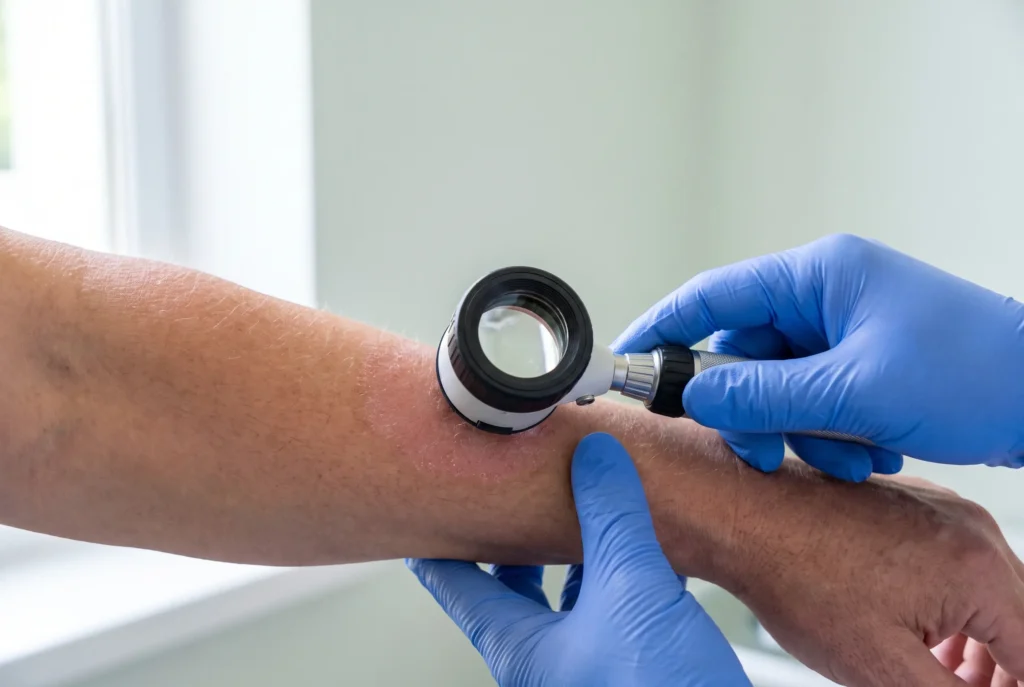
Most bites here need nothing beyond patience and antihistamines. A minority become infected, and a small number are not mosquito bites at all — this island has centipedes, scorpions and biting ants that visitors have no reference point for. Insect bite treatment in Koh Phi Phi is about telling the ordinary from the ones that need attention.
Ordinary bites and why yours look worse
New arrivals react more strongly than long-term residents, and it is not imagination. Your immune system has not met the local mosquito saliva before, so the reaction is larger — swellings the size of a coin rather than a pinhead, hot and intensely itchy.
That settles over a couple of weeks as you acclimatise. In the meantime, oral antihistamines, a steroid cream for the worst ones, and something cold on them all help.
The itch is worst at night, which is when people scratch in their sleep and wake with broken skin. That is how the majority of infected bites start, and keeping nails short plus an antihistamine at bedtime prevents more infections than any cream.
When a bite has become infected
Bites in this climate get infected far more readily than at home. Come in for:
- Redness spreading outward from the bite
- Increasing pain and warmth
- Pus or yellow crusting
- A red line tracking away from the site
- Fever or feeling generally unwell
- Swelling of an entire hand, foot or limb
Spreading redness is cellulitis and needs antibiotics rather than time. On this island, treating it on day one means oral tablets and treating it on day four can mean a boat to the mainland for intravenous antibiotics.
Centipedes, which people are unprepared for
Thai centipedes reach twenty centimetres and their bite is genuinely painful — described as being stabbed and burned at once, with pain lasting several hours to a couple of days.
They come indoors during heavy rain and hide in shoes, towels and bedding, which is why the classic bite is on a foot at six in the morning. Shake out footwear before putting it on, particularly in the wet season, and particularly in ground-floor rooms and bungalows.
Treatment is hot water immersion, strong pain relief and antihistamines. Rarely dangerous in healthy adults, but the pain is severe enough that people come in, and there is no shame in that. Watch for infection afterwards, since the bite makes two deep punctures.
Scorpions, ants and things in the rocks
Scorpion stings in this region are painful rather than life-threatening for healthy adults — burning local pain with numbness and tingling that settles over hours. Children, older people and anyone with heart problems should be seen. Any difficulty breathing, muscle spasms or a racing heart means calling 1669 and calling us.
Fire ants and weaver ants produce clusters of intensely itchy blisters, often after somebody has sat on a wall or leaned against a tree. Annoying rather than dangerous, and they respond to antihistamines and steroid cream.
Wasps and hornets nest on the limestone and in the vegetation along the viewpoint path. Multiple stings from a disturbed nest is a genuine emergency rather than an inconvenience, particularly halfway up a set of steps in the heat.
Severe allergic reactions
Rare, and the reason to know the signs. Call 1669 and call us immediately for swelling of the face, lips, tongue or throat, difficulty breathing or swallowing, a widespread rash away from the bite, dizziness or collapse, or vomiting with any of the above.
That is anaphylaxis and it needs adrenaline rather than antihistamines. If an adrenaline pen is available, use it into the outer thigh immediately — through clothing is fine — and then call.
If you carry a pen, keep it on you rather than in a room safe. On an island where everything is walked and the hospital is two hours away, the distance between you and your medication is the one variable you control.
The bite that matters most is the one you do not feel
The mosquito that carries dengue bites during the day, with peaks around dawn and late afternoon, and its bite is unremarkable.
So the important thing about bites here is not the bite — it is what happens five to seven days later. A fever after a week of being bitten deserves a test rather than an assumption, particularly with a headache behind the eyes and deep aching.
There is no dengue vaccine available to most travellers, so bite avoidance is the entirety of the prevention.
Being bitten less
Repellent with DEET or picaridin on exposed skin, reapplied after swimming and sweating — which in this heat means more often than the bottle suggests.
Cover up at dawn and dusk. Use air conditioning or a fan, since mosquitoes struggle in moving air, and a fan pointed at the bed works better than most things people buy. Check for standing water around your accommodation — buckets, plant saucers, blocked drains and discarded containers behind the village — because that is where they breed rather than in the jungle.
Shake out shoes, towels and clothing left on the floor. And treat existing bites properly, because scratched weeping bites attract more attention and give bacteria an entry point. An evening antihistamine that lets you sleep without scratching does two jobs at once, and it is the cheapest thing in any travel kit.
Frequently asked questions
Why are my bites so much worse than usual?
A new immune response to unfamiliar mosquito saliva. Reactions shrink over a couple of weeks as you acclimatise.
How do I know a bite is infected?
Spreading redness, increasing pain and warmth, pus, a red line tracking away, or fever. That needs antibiotics the same day.
I was bitten by a centipede. Is it dangerous?
Rarely in a healthy adult, but the pain is severe. Hot water immersion and strong pain relief help, and the punctures need watching for infection.
Are scorpions here dangerous?
Painful rather than life-threatening for healthy adults. Children, older people and anyone with heart problems should be seen.
When is a bite an emergency?
Facial or throat swelling, difficulty breathing, widespread rash, dizziness or collapse. Call 1669 and call us — that is anaphylaxis.
Should I worry about dengue from a bite?
Not from the bite itself, but watch for fever five to seven days later. That is when a test is worth having.
What repellent works best?
DEET or picaridin, reapplied more often than the bottle says in this heat. A fan on the bed helps as much as anything you apply.
Who treats you, and at what hour
English-speaking doctors on site, 24 hours a day. That is the part worth dwelling on, because Koh Phi Phi has no hospital and no road off it. The nearest emergency department is a ferry away on the mainland, and the ferries stop at night — so between roughly sunset and morning, a clinic that is actually open is the only medical care on the island. We are part of the Takecare Clinic group operating across Krabi and Phuket, which is what makes onward referral and continuing treatment on the mainland straightforward rather than something you arrange yourself from a hotel room.
Getting seen
Doctor Phi Phi Takecare Clinic is 24 hours, every day — genuinely, not as a phone line. No appointment is needed at any point and there is no wrong time to turn up. Walk in, or reach us on +66 82 140 3858 or WhatsApp. If you would rather not move, ask for a doctor hotel visit and we will come to you. And if this turns out to be beyond what the island can handle, that same call is how the ferry and the hospital transfer start being arranged — which on Phi Phi is a process worth starting early rather than late.