Heat exhaustion treatment in Koh Phi Phi
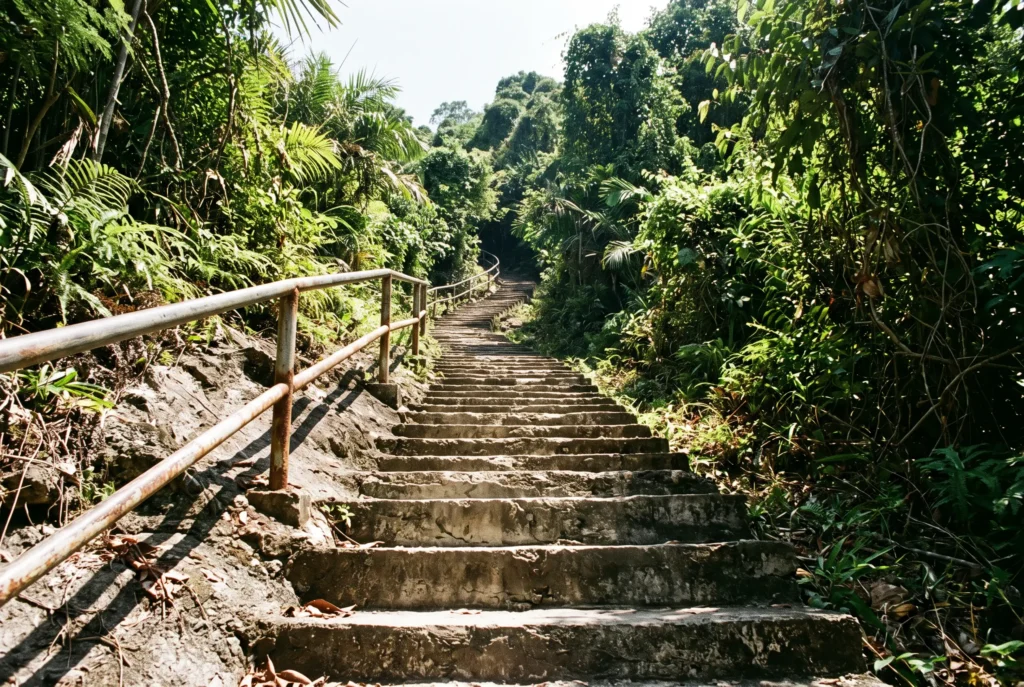
The viewpoint climb is a set of steep concrete steps in full sun, and people attempt it at midday with one small bottle of water. Add a night out beforehand and a boat trip afterwards, and heat illness here is common. Heat exhaustion treatment in Koh Phi Phi works quickly — and the line between it and heat stroke is worth knowing before you need it.
Recognising heat exhaustion
It builds over hours rather than striking suddenly:
- Heavy sweating with cool, clammy, pale skin
- Headache and dizziness
- Nausea, sometimes vomiting
- Muscle cramps, usually in the legs
- Weakness and heavy tiredness
- A fast, weak pulse
- Dark urine, or passing very little
The person is unwell but still themselves — able to answer questions and follow what is going on. That last point is the one that matters most.
Confusion is the line to heat stroke
Heat stroke is a medical emergency with a genuine death rate, and the changes that mark it are behavioural rather than physical.
Confusion, agitation, slurred speech, seizures or loss of consciousness, a temperature above 40C, and skin that may be hot and dry because sweating has failed.
Somebody hot and miserable can be cooled and rehydrated where they are. Somebody hot who does not know where they are needs a hospital, which from here means a two-hour crossing. Call 1669, call us, move them into shade, remove excess clothing and cool aggressively with water and fanning while the boat is arranged — see evacuation and hospital transfer. Do not wait to see whether they improve.
The viewpoint climb
This deserves its own section because it produces more heat casualties than anything else on the island.
It is a few hundred steep concrete steps with almost no shade and nowhere to buy water until the top. People set off in flip-flops after lunch with a half-empty bottle, frequently on four hours of sleep and a hangover, and the descent in the heat is where things go wrong.
Go at first light or late afternoon, take considerably more water than feels necessary, wear shoes with grip, and turn back if you already feel sick or dizzy on the way up — the way down is harder and hotter. If somebody in your group has gone quiet, that is the warning sign, not the complaining.
The hangover multiplier
Alcohol dehydrates you, and this island reliably combines a heavy night with a hot day. That combination is behind a large share of what we treat.
Somebody who drank until three, slept badly in a warm room, skipped breakfast and then climbed the viewpoint at noon is starting the day already several litres down. The heat illness that follows is not bad luck.
If last night was heavy, the boat trip or the climb is better the day after next. And if you are going anyway, drink rehydration salts before you set off rather than water alone — see alcohol poisoning for the more serious end of this.
What to do straight away
Get out of the sun and into shade or air conditioning. Lie down with the legs raised. Loosen clothing.
Cool the skin with cool water, wet cloths and fanning, concentrating on the neck, armpits and groin where large blood vessels run close to the surface.
Sip oral rehydration solution rather than plain water, because you have lost salt as well as fluid and large volumes of water alone can dilute your sodium and make things worse. Most people improve substantially within about thirty minutes.
How we treat it
We check core temperature, blood pressure, pulse and oxygen saturation, and look for the complications that matter — kidney strain from dehydration and disturbed salts in the blood.
An IV drip with the right electrolytes corrects things considerably faster than drinking, particularly for anyone vomiting. We frequently run blood tests to check kidney function and sodium, because a normal-looking person can have significantly deranged bloods after a day in this heat.
Most people leave feeling much better within an hour or two, at any time of day or night.
Who is most at risk, and the day after
Anyone who arrived from a cold country in the last few days, older travellers, young children, people on blood pressure or diuretic medication, anyone who drank heavily the night before, and anyone exerting themselves in the middle of the day.
Divers are a specific case. A full day on a boat, dehydrating in dry compressed air and sun, with drinking treated as an afterthought because getting out of a wetsuit is a nuisance — and dehydration raises decompression risk as well, so it is a safety matter rather than a comfort one.
Give yourself several days to acclimatise, keep hard effort to early morning or evening, drink steadily rather than in bursts, and take genuine breaks in shade. The day after matters more than people expect — heat illness leaves you more susceptible for several days, so a full boat trip the following morning is how people end up back a second time.
There is also an opposite problem worth knowing about, less common but genuinely confusing. Drinking very large volumes of plain water while sweating for hours dilutes blood sodium, and the early symptoms — headache, nausea, confusion — look uncomfortably like heat exhaustion itself. Treating that with yet more water makes it worse. The answer covers both cases: use rehydration salts or eat something salty alongside the water, and judge by urine colour rather than volume drunk. Pale straw is right; completely clear means you are ahead of yourself.
Frequently asked questions
How much does treatment cost?
A consultation with observation is inexpensive. An IV drip with electrolytes and blood tests costs more and is quoted before starting.
Can a doctor come to me?
Yes, and a doctor hotel visit works well for heat exhaustion. If there is any confusion or loss of consciousness, call 1669 instead — that is heat stroke and it cannot wait.
How long does recovery take?
Most people feel much better within a few hours of cooling and fluids, though tiredness often lasts a day or two.
Is it enough to drink water?
Not on its own after hours of sweating. You need salt as well — rehydration sachets or salty food alongside the water.
When is the best time to do the viewpoint?
First light or late afternoon. Midday in flip-flops with one bottle of water is the combination that fills our afternoons.
Can I dive after heat exhaustion?
Not the same day, and probably not the next. Dehydration raises decompression risk, and you stay susceptible for several days.
How long does it take to acclimatise?
Most adaptation happens over seven to fourteen days. The first three days are when people are most at risk, which is exactly when trips are busiest.
Who treats you, and at what hour
English-speaking doctors on site, 24 hours a day. That is the part worth dwelling on, because Koh Phi Phi has no hospital and no road off it. The nearest emergency department is a ferry away on the mainland, and the ferries stop at night — so between roughly sunset and morning, a clinic that is actually open is the only medical care on the island. We are part of the Takecare Clinic group operating across Krabi and Phuket, which is what makes onward referral and continuing treatment on the mainland straightforward rather than something you arrange yourself from a hotel room.
Getting seen
Doctor Phi Phi Takecare Clinic is 24 hours, every day — genuinely, not as a phone line. No appointment is needed at any point and there is no wrong time to turn up. Walk in, or reach us on +66 82 140 3858 or WhatsApp. If you would rather not move, ask for a doctor hotel visit and we will come to you. And if this turns out to be beyond what the island can handle, that same call is how the ferry and the hospital transfer start being arranged — which on Phi Phi is a process worth starting early rather than late.